
Designing a home can be an exciting endeavor, but many homeowners end up feeling let down by the final outcome.
Although the space might initially look appealing, it often lacks comfort, practicality, or that sense of completeness.
Interior design failures are not usually due to limited budgets.
More often, they result from making hasty choices, not having a clear plan, and not considering real-life needs.
Here is a detailed overview of why home interiors often don’t work as intended, along with steps to help you avoid these common mistakes and create a more functional and welcoming space.
1.Starting without a Clear Plan
One of the most frequent problems is beginning a design project without a structured plan.
Where things go wrong:
- Furniture is bought before the layout is finalized
- Lighting and electrical points are placed without thought
- There is no clear idea of how each room will be used
What to do instead:
Think of your home as a system, not just a collection of objects.
- Plan the layout first
- Decide how each area will be used on a daily basis
- Ensure that furniture, lighting, and storage match your plan
A solid plan helps prevent costly changes later on.
2.Treating Lighting as an Afterthought
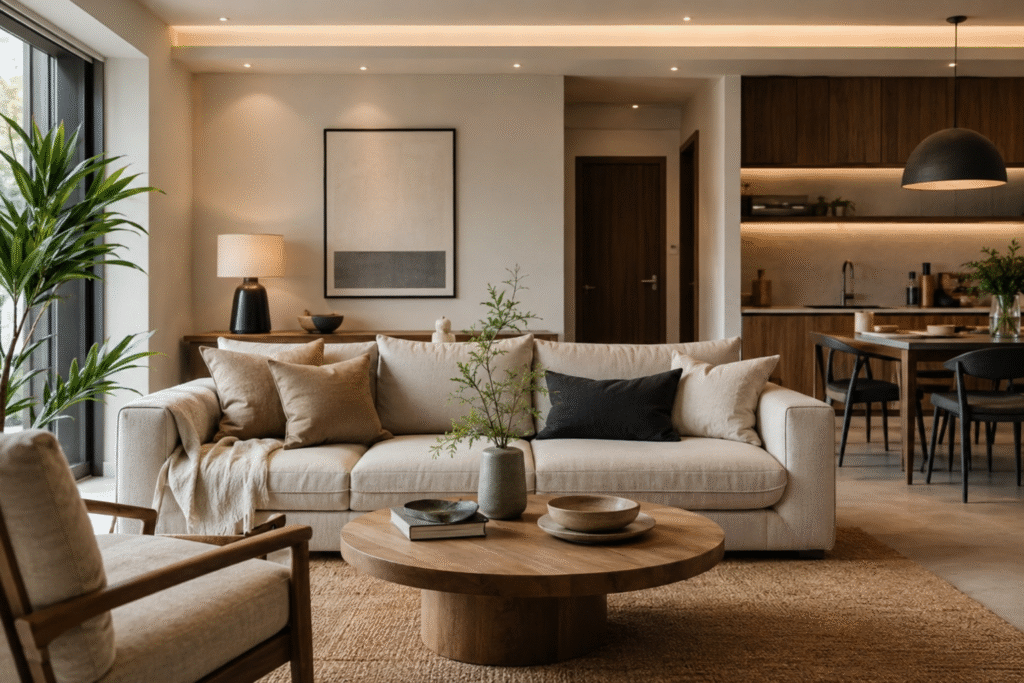
Lighting is often overlooked, but it plays a major role in how a space feels.
Where things go wrong:
- Reliance on a single ceiling light
- Use of harsh white lighting throughout
- No variation in lighting levels
What to do instead:
Create depth through multiple lighting layers:
- General lighting for overall visibility
- Focus lighting for specific tasks such as cooking or reading
- Accent lighting to highlight design details
Warm lighting generally makes homes feel more inviting and relaxed.
3.Filling Every Inch of Space
More furniture doesn’t always mean better design.
In fact, it can often make a space uncomfortable.
Where things go wrong:
- Too many pieces in one room
- Bulky furniture in small areas
- Lack of space for movement
What to do instead:
Prioritize usability over quantity:
- Only bring in what you truly need
- Ensure there is space to move around
- Let the room have some breathing room
A well-organized space feels more refined and comfortable.
4.Poor Color Decisions
Colors influence the mood of your home, but the wrong combinations can be overwhelming.
Where things go wrong:
- Too many strong colors competing for attention
- Inconsistent color schemes between rooms
- Ignoring natural light when choosing shades
What to do instead:
Use a simple and balanced approach:
- A dominant base color
- A supporting secondary color
- Minimal accent shades
Neutral palettes with subtle accents tend to remain stylish for years.
5.Not Planning for Storage
Even a beautiful home can quickly become cluttered if storage is not considered.
Where things go wrong:
- Lack of hidden storage
- Overuse of open shelving
- No space for daily items
What to do instead:
Design storage as part of the interior, not as an extra addition:
- Built-in wardrobes and cabinets
- Multi-functional furniture
- Hidden compartments where possible
When everything has a designated place, your home stays tidy and stress-free.
6.Copying Trends Without Thinking
Trends are everywhere, but not all of them suit your home or lifestyle.
Where things go wrong:
- Copying designs from social media without thought
- Overusing trendy elements
- Ignoring personal preferences
What to do instead:
Use trends as inspiration, not rules:
- Combine modern ideas with classic elements
- Design based on your habits and needs
- Ensure the overall look can evolve
A home designed with personal preferences always feels more satisfying than one that imitates others.
7.Compromising on Materials and Workmanship
Even a great design can fail if the materials and craftsmanship are poor.
Where things go wrong:
- Choosing cheaper materials that don’t last
- Inconsistent finishing
- Lack of proper oversight
What to do instead:
Focus on long-term value:
- Invest in durable materials
- Work with skilled professionals
- Check progress regularly during the process
Good workmanship ensures your interiors remain in good condition for years.
8.Trying to Manage Everything Alone
Taking on everything without professional help can lead to confusion and mistakes.
Where things go wrong:
- Poor coordination between tasks
- Going over budget
- Lack of consistent design decisions
What to do instead:
Working with a professional helps you:
- Use space efficiently
- Stay within budget
- Achieve a cohesive design
Professional guidance can save both time and money in the long term.
Final Thoughts
A successful home interior is not about how expensive it looks, but how well it serves your daily life.
By focusing on:
- Thoughtful planning
- Practical design choices
- Quality execution
You can avoid common pitfalls and create a home that feels comfortable, functional, and visually appealing for many years to come. If you want to avoid costly mistakes and achieve a well-balanced space, consulting the best interior designers in Kochi can help turn your vision into a functional and beautifully executed home.
Know More Facebook Instagram Whatsapp